Lesson 1: Celiac Disease - The Basics
1.2 What is celiac disease?
Celiac disease (also called gluten-sensitive enteropathy or celiac sprue) is a lifelong autoimmune disease with an abnormal response of the immune system triggered by eating gluten. It starts in the majority of patients during the first years of life. The age of developing symptoms as well as the age at diagnosis may be years or even decades later than the start of the disease.
As long as gluten is ingested, the abnormal immune reaction is directed towards the body's own tissues, particularly in the small intestine. This leads to inflammation and damage of the gut lining (mucosa). However, the immune reaction may not be restricted to the small bowel and can affect other organs. Thus, celiac disease may manifest itself with various symptoms within and outside the digestive tract. Because of the large variety of symptoms which are also found in many other conditions, celiac disease is often overlooked and is therefore known as a "clinical chameleon".
Celiac disease has an underlying genetic predisposition. This means that the disease only occurs in individuals who carry certain risk genes. However, only a small fraction of those having these risk genes finally develop the disease, in spite of all of them consuming gluten containing foods. Hence external triggers from the environment - other than gluten - must also play a role for the development of celiac disease (figure 3).
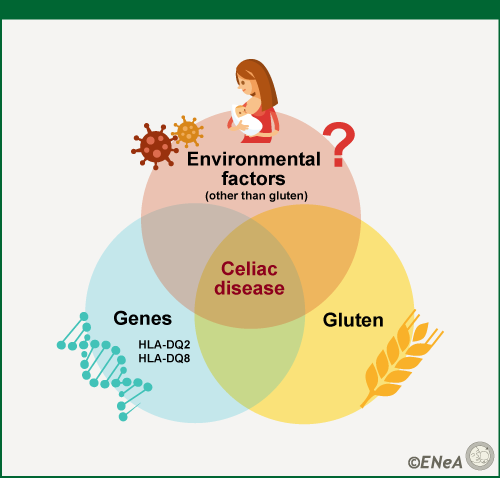
Figure 3: Factors which may cause celiac disease
Source: ENeA own
Although celiac disease cannot be cured, a diet strictly avoiding any gluten containing foods should stop the abnormal reaction of the immune system. Consequently, the intestinal lining will recover and the symptoms will usually resolve (Unit 2 and Unit 3).
In the following lessons, you will learn in more detail how celiac disease develops.