Lesson 2: Why Do Some People Get Celiac Disease and Most Don't- Although They All Eat Gluten?
Optional further information: environmental factors
Does early nutrition influence the risk? 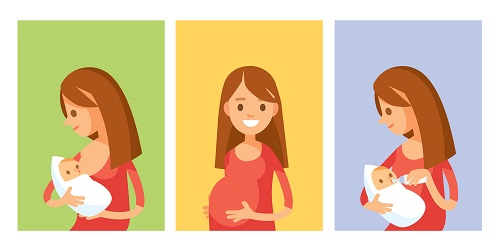
The early nutrition of newborns and infants, including the type of infant feeding (breastfeeding or formula feeding) as well as the amount and timing of first gluten introduction with solid food was reported to be associated with the risk for celiac disease. To confirm whether these factors matter, large studies of babies from celiac disease families were conducted. However, these studies revealed that neither the timing of gluten introduction nor the breastfeeding status influences the overall risk. Delaying the introduction of gluten from 6 to 12 months of age delayed the onset of celiac disease in some cases, but did not prevent it.
Based on these and other studies, nowadays it is recommended to not introduce gluten in solid food before the beginning of the 5th month. Breastfeeding does not reduce the risk for celiac disease but is highly recommended due to its other beneficial health effects.
What’s the role of microbes, early infections and vaccinations?
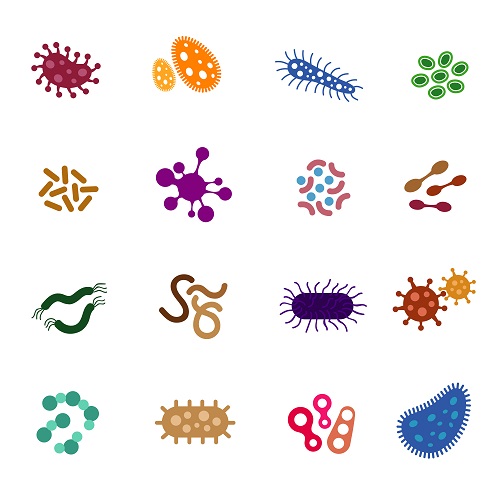 Trillions of microorganisms inhabit our body surfaces such as the skin, the respiratory system and particularly the digestive tract. The entirety of all microbes is called the microbiome which is in constant interaction with our body and especially with our immune system.
The first contact with microbes happens during birth. Thus, the birth mode is essential for the initial composition of the microbiome: during a normal delivery, the child ingests the first microbes from the mother in the birth canal which then colonize the skin and the mucosal surfaces. However, several recent studies show that the risk for celiac disease is not different between children born naturally by vaginal delivery and children born by cesarean section.
Another substantial factor that influences both the microbiome and our immune system are infections in early childhood. Infections are caused by viruses or bacteria and create a response from the immune system to defend our body against the invaders. It is thought that as a side-effect, this process may change the immune system so that it now reacts to gluten in the same way as it would to a harmful virus. While some potentially harmful viruses seem to be detrimental, other viruses and bacteria may play a protective role in the process of celiac disease development. In general, it seems that gastrointestinal infections might increase the risk. However, more research needs to be done to further investigate the true impact of certain viruses and bacteria on the development of celiac disease.
Common vaccinations in early childhood were reported to have no effect on the celiac disease risk. The rotavirus vaccination was even associated with a substantially lower risk for its development. Therefore, children from families with an increased celiac risk should receive all vaccinations as recommended in their country of residence.