Lesson 3: Atopic Disease: Allergy, Eczema, Asthma
3.4 Allergenic Foods
There is good evidence that certain foods are more allergenic than others. These include eggs, fish, nuts and seafood (Agostoni et al. 2008). In countries such as the USA, the UK and Australia, which adopted early dietary restrictions of complementary foods, rates of food allergy have escalated (Prescott et al. 2008).
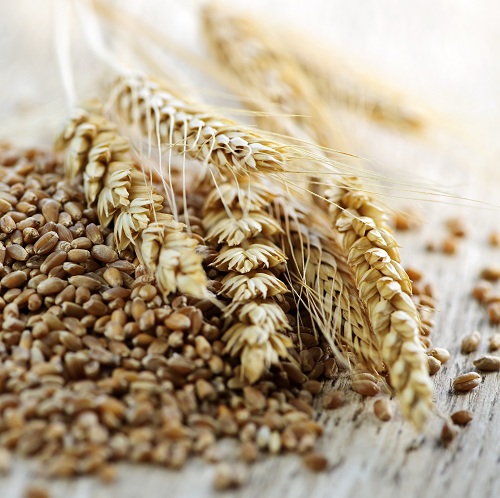 WHEAT: In a study where wheat was introduced after the age of 6 months, children had an increased risk of wheat allergy at 5 years of age compared to children who were first introduced to wheat before 6 months of age (Nwaru et al. 2010). In addition, a previous study found that infants without a family history of allergy whom had delayed exposure to cereal grains after the age of 6 months were found to have an increased risk of wheat allergy (Poole et al. 2006).
 EGG: Recent studies suggest that it may be beneficial to introduce egg at an early age in smaller amounts in baked goods or in a cooked egg form (i.e. scrambled, hard-boiled, fried, or poached). One study reported that if egg was introduced after the age of 10.5 months, there was an increased risk of sensitization to egg at age 5 years (Nwaru et al. 2010).
In addition, another study with egg allergy infants had a significantly reduced risk of egg allergy if they were introduced to egg at 4 to 6 months of age compared to infants introduced to egg later. Infants who were first exposed to the cooked egg form at 4 to 6 months had a reduced risk of egg allergy even further compared to infants with first exposure to egg in baked goods (Koplin et al. 2010).
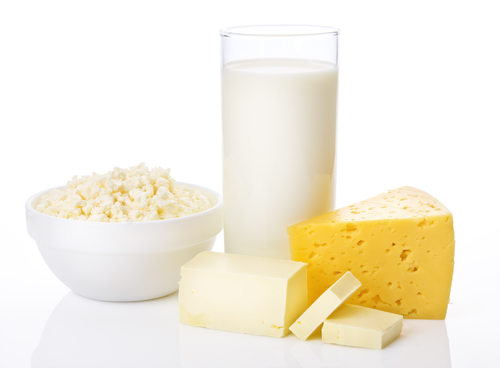 COWS MILK: Cow's milk added to complementary foods in small amounts, such as in baked goods and other dairy products, such as cheese and yogurt, are safe to introduce to infants before 1 year of age ( American Academy of Pediatrics 2004; Fleischer et al. 2013).
Whole cow's milk, as opposed to cow's milk-based formulas and other cow's milk-based products, such as cheese and yogurt (that are safe before 1 year of age) should be avoided until 1 year of age for reasons unrelated to allergic disease. The evidence for avoidance of whole cow's milk in infancy mainly involves the increased renal solute load, the risk of iron insufficiency and its consequences among infants receiving high amounts of cow's milk (Thorsdottir & Thorisdottir 2011; Fleischer et al. 2013). Refer to Unit 3 for further information.
Furthermore, a study showed that early exposure in infancy (age ≤ 14 days) to cow's milk protein via formula as a supplement to breast-feeding might protect against IgE-mediated cow's milk allergy. However, the amount of cow's milk protein needed to prevent cow's milk allergy was not determined from the study (Katz et al. 2010).
 NUTS: Recent studies have suggested that it may be beneficial for early complementary feeding and early introduction of peanuts during infancy to prevent peanut allergy (Fleischer et al. 2013). Peanut allergy continues to increase in countries such as the United Kingdom, Australia and North America where guidelines recommend strict avoidance of peanuts during infancy. However, among children in Israel, peanut sensitization is decreasing. In infants aged 8-14 months in Israel, the median consumption of peanut products is 7.1g/month compared to 0g/month in the UK. Du Toit hypothesized in 2008 that the early introduction of peanuts during infancy, rather than strict avoidance, could prevent the development of peanut allergy (Du Toit et al. 2008). A more recent study even showed that the introduction of peanut at 4-11 months of age in a high risk population decreased the incidence of peanut allergy at the age of 5 years sevenfold, compared to a later introduction (Du Toit et al. 2015).
 FISH: In 2006, Kull reported that regular fish consumption before one year of age appeared to be associated with a reduced risk of allergic disease during the first 4 years of life (Kull et al. 2006). A number of studies support this previous finding, suggesting that early introduction of fish decreased the risk of atopic diseases such as eczema, allergic rhinitis and asthma (Alm et al. 2009; Koletzko et al. 2014; Muche-Borowski et al. 2010).
Currently, there are two ongoing studies on the role of early introduction of potentially allergenic foods in the development of allergic diseases. See optional further information below.
To date, no studies have analyzed the early introduction of soy or shellfish and the effects on allergy. However, a review by Fleischer in 2013 suggests that the introduction of soy or shellfish into the diet does not need to be delayed (Fleischer et al. 2013).